

US health crises betting is becoming a hot topic as platforms like Polymarket and Kalshi introduce wagers on measles outbreaks and other health issues.
Understanding the New Betting Landscape
The emergence of platforms like Polymarket and Kalshi has revolutionized the way people engage with health crises, including betting on potential outbreaks of diseases such as measles. This new betting landscape allows individuals to wager on the likelihood of various public health events occurring, capturing the essence of the phrase US health crises betting.
Participants can place bets on a range of scenarios, assessing factors like vaccination rates, public health initiatives, and demographic vulnerabilities. This unique approach to betting combines elements of speculation with societal implications, raising important questions about ethics and responsibility.
Given the unpredictable nature of health crises, the risks involved can be significant. Participants may find themselves facing:
- Financial loss if their predictions do not materialize.
- Emotional impact stemming from betting on events that could affect real lives.
- Ethical dilemmas regarding profiting from potential suffering.
As this trend continues to grow, understanding the implications of US health crises betting becomes crucial for both participants and policymakers alike.
The Impact of Health Crises on Betting
The recent rise in US health crises betting has sparked a debate about the ethical implications and potential risks involved. With platforms like Polymarket and Kalshi allowing bets on various health-related events, the impact on public perception and behavior is becoming increasingly evident.
One major concern is that betting on health crises could lead to a desensitization toward serious public health issues. As individuals place wagers on the outcomes of diseases like measles, there is a risk that the gravity of these situations is overshadowed by the excitement of gambling.
Additionally, the financial incentives created by this betting landscape might encourage some to downplay health risks, potentially affecting compliance with public health guidelines. The consequences could be dire, as misinformation spreads and public health measures are undermined.
On the flip side, some argue that this form of betting could raise awareness about health crises. By encouraging discussions around these issues, it might lead to greater public engagement and proactive measures. Ultimately, the balance between the risks and rewards of US health crises betting remains a contentious topic that requires careful consideration.
Polymarket and Kalshi: Key Players
In the evolving landscape of betting, two platforms have emerged as frontrunners in the niche of US health crises betting: Polymarket and Kalshi. These platforms allow users to place wagers on the likelihood of various health events occurring, such as outbreaks of diseases like measles.
Polymarket operates as a prediction market where users can buy and sell shares based on potential outcomes. Participants might bet on whether a specific health crisis will escalate within a given timeframe. This approach fosters a dynamic environment where information and speculation drive market prices.
On the other hand, Kalshi offers a more structured way to bet, with contracts tied to specific health events and outcomes. This allows bettors to engage with US health crises betting in a regulated format, giving them clearer expectations and guidelines for their wagers.
Both platforms have gained traction, attracting users who are interested in not just the financial aspects of betting but also the underlying health implications. As the betting landscape expands, understanding the risks and rewards associated with these markets becomes essential for participants.
Risks Involved in Health Betting
The rise of US health crises betting introduces a range of risks that potential bettors must carefully consider. While the allure of wagering on health-related events may seem exciting, the implications can be significant and far-reaching.
Firstly, one of the primary risks is the unpredictability of health crises. Factors such as emerging diseases or public health responses can drastically alter outcomes, making it challenging to place informed bets. Bettors may find themselves at the mercy of rapidly changing information and circumstances.
Additionally, ethical considerations come into play. Betting on health crises can be seen as insensitive, particularly when real lives are at stake. This raises questions about the morality of profiting from situations that may cause suffering for many.
Moreover, there is the potential for financial loss. As with any form of betting, participants must be prepared for the possibility of losing their investments. The volatility associated with health crises may lead to unpredictable financial outcomes.
Ultimately, while US health crises betting presents opportunities for profit, the associated risks require careful deliberation and a thorough understanding of the potential consequences.
Future Trends in Health-Related Gambling
As the landscape of gambling continues to evolve, the trend of US health crises betting is gaining traction among both investors and the general public. With the rise of platforms like Polymarket and Kalshi, bettors are now able to wager on various health-related events, ranging from disease outbreaks to vaccine effectiveness.
Experts predict that this market will expand significantly over the coming years. Some of the anticipated trends include:
- Increased Popularity: As awareness grows about health issues, more individuals may turn to health-related betting as a form of entertainment or investment.
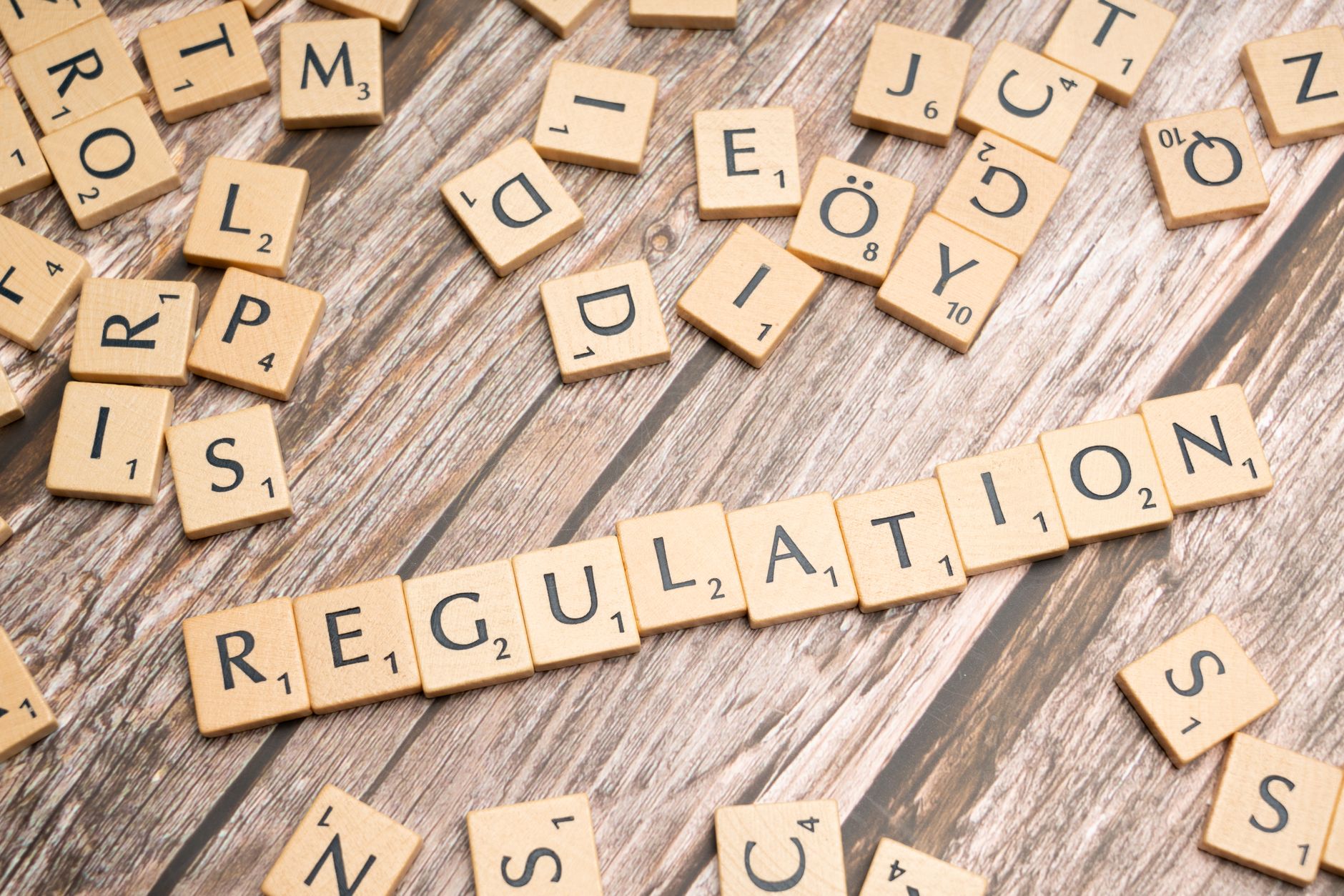
- Regulatory Changes: With the increase in health betting, lawmakers may feel pressured to create regulations that govern these markets, ensuring transparency and fairness.
- Technological Innovations: The integration of advanced analytics and AI could lead to more accurate predictions, making betting on health crises even more appealing.
- Public Health Education: Betting on health crises may spur interest in public health, prompting bettors to stay informed about the latest health trends and data.
While the rewards can be enticing, the risks remain substantial, making it essential for participants to remain informed.
Photo by Pavel Danilyuk on Pexels
Where this came from
Related reading
Are Prediction Markets Regulation the Right Approach for Futures? · Gambling Regulation Webinar: Proven Insights Ahead of 2027 Event · Morgan Rogers England: The Best Proven Performance





Leave a Reply